Book of the Day · 24 October 2026
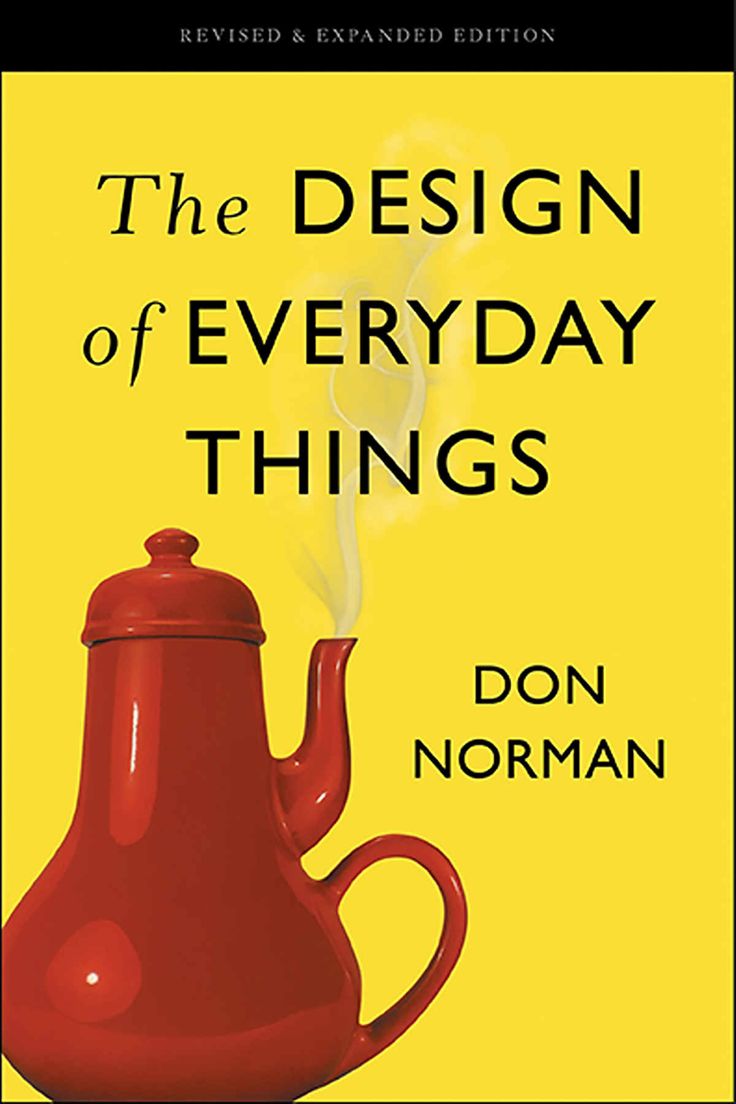
The Design of Everyday Things
by Don Norman
Theme: Ideas & Society
Recommended for: Young adults and adults
WHY THIS BOOK?
Have you ever struggled to open a door, operate a confusing machine or figure out how to use an everyday object? The Design of Everyday Things reveals why some products feel effortless to use while others leave us frustrated. Don Norman explores the relationship between design and human behaviour, showing how thoughtful design can make everyday experiences simpler, safer and more intuitive.
THE BOOK IN A NUTSHELL
In The Design of Everyday Things, cognitive scientist and usability expert Don Norman explains how the design of ordinary objects influences the way people interact with the world around them.
From doors and switches to household appliances and digital interfaces, Norman examines why poorly designed products confuse users. Often, the problem is not that people lack intelligence or ability, but that the design fails to communicate how something should work.
He introduces important concepts such as affordances, signifiers, feedback and constraints. These ideas help explain how good design makes possible actions clear, communicates the results of our actions and reduces the likelihood of mistakes.
Norman also challenges the tendency to blame users when they struggle with a product. Instead, he argues that designers should take responsibility for creating systems that match human abilities and expectations.
Through everyday examples, the book demonstrates that design is not merely about appearance. It is about understanding people, anticipating their needs and making interactions easier and more effective.
Its lessons extend beyond physical objects to websites, mobile applications, software and public services. The book encourages designers and everyday users alike to notice how the things around us shape our experiences.
💡 3 IDEAS WORTH TAKING AWAY
Good design makes actions obvious — People should be able to understand how to use an object without unnecessary confusion.
Design for people, not just products — Understanding human behaviour and expectations is essential to creating useful experiences.
Learn from mistakes — Clear feedback and helpful design can make errors easier to recognize, understand and correct.
🤔 THINK ABOUT IT
What is one everyday object or app you find frustrating to use, and how would you redesign it?
Should users be blamed when a product is confusing, or should designers take responsibility?
How could better design make public services, schools and workplaces more accessible?
WHO SHOULD READ IT?
An excellent choice for readers interested in design, technology, psychology, product development and problem-solving. Especially recommended for software developers, UX/UI designers, entrepreneurs, students and anyone who wants to understand why some products are easy to use while others are unnecessarily complicated.
A THOUGHT TO CARRY WITH YOU
Good design doesn't make people work harder to understand a product; it makes the product easier to understand.
📚 Read it, don't just read about it.
Akshar Bharati — Spreading Joy Through Reading
Comments (0)
No comments yet. Be the first to share your thoughts!